
Post-Festival Cleanup: How New Orleans Kitchens Should Handle Used Oil After Holiday Events
In New Orleans, festivals and holidays are more than just events. They’re vibrant expressions of culture, music, and especially food. From Mardi Gras to Jazz Fest, every celebration fills the city with an unmistakable aroma of fried seafood, beignets, and all the soul-warming dishes that make Louisiana cuisine famous. But after the music fades and the last guest leaves, restaurants, caterers, and food vendors face a significant challenge: how to responsibly handle the used cooking oil left behind.
The importance of proper oil disposal goes far beyond convenience. When mishandled, it can clog pipes, harm the environment, and cost businesses hundreds or even thousands in fines or repairs. Fortunately, there are sustainable and efficient solutions tailored to the unique needs of Louisiana’s culinary scene. Whether you’re a restaurant in the French Quarter or a catering company working out of Baton Rouge, understanding how to manage post-event oil recycling is essential to long-term success.
The Impact of Festival Season on Used Oil Generation
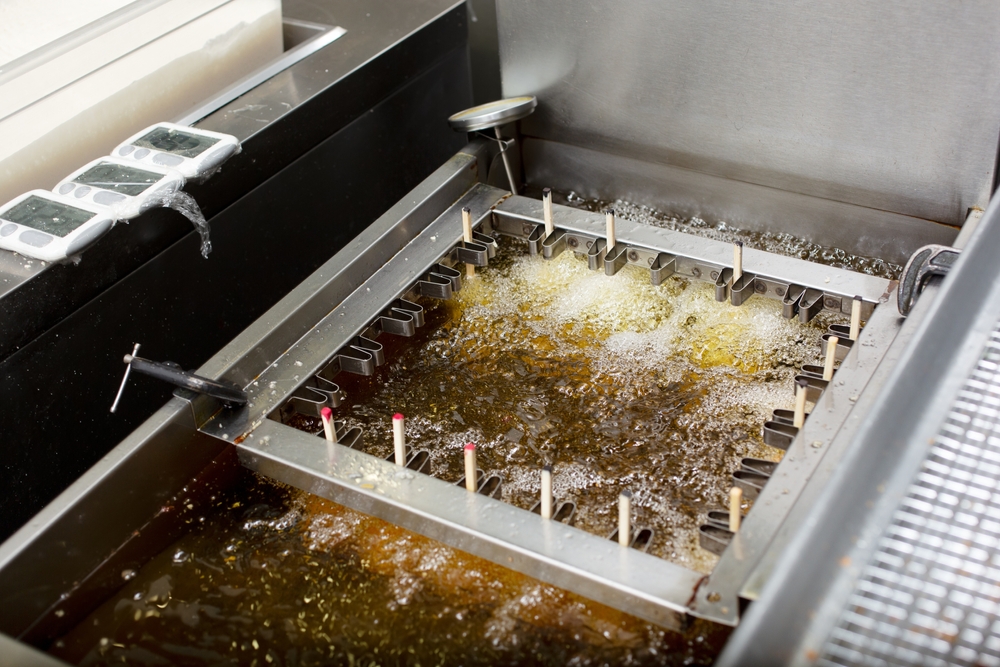
Festival season in New Orleans dramatically increases the volume of used oil produced by foodservice operations. A single weekend can triple the cooking volume for many kitchens. Pop-up events, street vendors, and large-scale catering services often ramp up their fryers to meet the surging demand, resulting in gallons of leftover oil in a matter of days.
For caterers and mobile food units, managing this oil on the fly can be logistically difficult. Inadequate preparation or improper grease disposal for caterers can quickly become an environmental hazard. Dumping oil in storm drains or sewers is not only illegal but also damages the delicate ecosystems of the Gulf region. Municipal wastewater systems aren’t equipped to handle large volumes of oil, leading to blockages and overflows that impact both urban infrastructure and natural waterways.
Even well-established restaurants with built-in grease traps or oil containers may find their systems overwhelmed during peak festival times. As the city comes alive with flavor and festivity, so too must the back-of-house operations evolve to accommodate the increased waste load. This is where proactive planning and access to professional used oil collection services become invaluable.
Why Proper Oil Disposal Matters More in Louisiana
Louisiana’s unique geography, with its sprawling wetlands, low elevation, and proximity to the Gulf of Mexico, makes it particularly sensitive to pollution. What gets washed down the drain in a New Orleans kitchen doesn’t just disappear—it can end up damaging the very environments that make Louisiana special.
In the context of sustainability, restaurants and food service businesses must look at oil disposal not just as a regulatory checkbox but as a core part of their environmental responsibility. Improperly discarded oil contributes to soil degradation, water contamination, and harm to marine life. Given the state’s reliance on seafood industries and ecotourism, protecting natural resources is also a matter of economic interest.
Moreover, Louisiana’s regulatory agencies are increasingly vigilant about enforcing compliance. Restaurants and caterers found disposing of oil improperly may face stiff penalties, reputational damage, or even temporary closure. Partnering with a licensed cooking oil pickup service in LA ensures that kitchens are not just compliant, but also contributing positively to the community and the environment.
Choosing the Right Used Oil Collection Partner
Selecting a professional used oil collection provider is one of the most important decisions a kitchen can make after a high-volume event. In New Orleans, where the restaurant culture is deeply ingrained in daily life, the right partner can make cleanup seamless and stress-free.
Reliable providers offer scheduled pickups, emergency services, and ensure that the oil collected is processed for recycling or biofuel conversion. This turns waste into a renewable resource and aligns your business with growing consumer expectations around sustainability. It’s no longer just about food quality and service; diners increasingly care about how restaurants manage their environmental impact.
The ideal cooking oil pickup service in LA will have experience working with both brick-and-mortar establishments and mobile caterers. They should provide secure storage containers, track oil volumes, and offer documentation for compliance reporting. Some even include grease trap cleaning as part of their service package, further streamlining operations.
By outsourcing this aspect of post-festival cleanup to experts, restaurant staff can focus on what they do best: creating delicious meals and memorable dining experiences. Instead of worrying about overflow or disposal logistics, kitchens can transition smoothly from one event to the next, knowing their waste management is handled professionally.
Grease Disposal for Caterers: What You Need to Know
Caterers operate under a different set of challenges than traditional restaurants. Often working off-site at event venues, parks, or private properties, they don’t always have access to fixed grease traps or disposal systems. This makes grease disposal for caterers a critical part of pre-event planning.
Before setting up for any festival or holiday event, caterers should coordinate with venues or local authorities to determine the approved method of waste oil storage and pickup. Using transportable oil containers with secure lids helps prevent spills during transit and ensures compliance with local regulations.
Many used oil collection companies offer mobile solutions tailored specifically to caterers. These include on-demand pickups and specialized containers designed for easy loading and unloading. Investing in the right equipment and building a relationship with a trusted partner can save caterers from last-minute stress and potential fines.
Additionally, caterers should educate their staff on safe oil handling techniques. This includes allowing oil to cool before transfer, wearing protective gear, and labeling containers clearly. These small steps, combined with a professional pickup service, ensure that sustainability goals are met without compromising efficiency or safety.
Building a Sustainable Restaurant Cleanup Routine
Sustainability in the restaurant industry isn’t just about sourcing local ingredients or using compostable containers. It also extends to how kitchens handle waste, especially used oil. After a festival or busy holiday season, adopting a sustainable restaurant cleanup process is key to long-term operational success.
Restaurants should establish standard operating procedures for oil management, including clear responsibilities for collection, storage, and communication with the disposal service. Staff training should emphasize the environmental and financial risks of improper disposal. Involving the whole team builds accountability and encourages adherence to best practices.
Routine maintenance of oil storage containers, grease traps, and fryers also contributes to more efficient cleanup. Clean equipment lasts longer, functions better, and reduces the risk of accidents or contamination. Partnering with a service that provides both oil collection and equipment cleaning ensures a holistic approach to post-event recovery.
Many New Orleans kitchens are embracing this mindset not just for regulatory compliance but as part of their brand identity. Highlighting sustainable restaurant cleanup efforts on social media or menus can enhance a business’s reputation and attract environmentally conscious customers. With green initiatives becoming a differentiator in a competitive food scene, oil recycling is an opportunity, not just a responsibility.
Conclusion
The rhythms of New Orleans are defined by celebration, and food is always at the heart of it. Yet behind the scenes of every successful festival dish is a kitchen working hard to maintain cleanliness, safety, and sustainability. Used oil collection isn’t just an operational task; it’s a reflection of a business’s commitment to its city, its customers, and the environment.
From grease disposal for caterers operating under pressure to restaurants juggling back-to-back events, every kitchen in Louisiana faces the challenge of managing oil waste responsibly. Thankfully, with access to reliable cooking oil pickup service in LA and growing awareness of post-event oil recycling practices, this task is more manageable than ever.
As the last float rolls by or the final note of a jazz solo fades into the night, let your kitchen’s legacy be more than great food. Let it be about sustainability, responsibility, and respect for the vibrant ecosystem that makes New Orleans so special. Proper used oil management is not just good practice — it’s the future of the Louisiana food industry.
Need Grease Trap Services Near You?
Categorised in: Cooking Oil Recycling