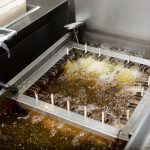
In Chalmette, fried chicken and po-boy shops depend on clean, properly maintained fryer oil to serve customers throughout the day. From busy lunch rushes along West Judge Perez Drive to weekend seafood orders, commercial fryers can produce significant amounts of used cooking oil. Without a safe disposal plan, that leftover grease can create slippery work areas, plumbing problems, unpleasant odors, and unnecessary interruptions. For local restaurant owners, knowing where to dispose of used fryer oil is an essential part of keeping the kitchen safe and operating efficiently. Quick Answer: Fried chicken restaurants, seafood kitchens, and po-boy shops in Chalmette should dispose... View Article
Food trucks and mobile food vendors around the Greater New Orleans area often rely on commissary kitchens to meet health department requirements. While shared kitchens offer convenience and lower operating costs, they also create unique challenges for fats, oils, and grease (FOG) management. Understanding how shared grease interceptors work can help operators avoid costly disruptions, plumbing issues, and compliance problems. Quick Answer Shared commissary kitchens serving food trucks typically require every tenant to follow strict grease disposal practices because multiple businesses use the same grease interceptor. In the New Orleans region, improper grease handling by just one operator can affect... View Article
Every spring, seafood restaurants across the Greater New Orleans region gear up for one of the busiest times of the year. Crawfish boils, seafood platters, fried favorites, and packed dining rooms create a sharp increase in fats, oils, and grease, often called FOG. Without proper grease management, that seasonal rush can quickly lead to clogged plumbing, overflowing grease traps, unpleasant odors, and unexpected service interruptions. Quick Answer Handling the crawfish boil surge requires seafood restaurants to increase grease trap maintenance, monitor used cooking oil storage, train staff on proper FOG disposal, and schedule service before peak demand arrives. Restaurants throughout... View Article
Used cooking oil has become surprisingly valuable over the past decade, driven by the booming demand for biodiesel fuel and renewable energy feedstocks. A single full outdoor grease bin can hold hundreds of dollars worth of recyclable oil, making it an attractive target for organized theft rings that operate throughout Louisiana and the Gulf Coast region. The problem extends well beyond simple inconvenience. Restaurant grease recycling in New Orleans depends on an honest, functioning supply chain between food service operators and EPA licensed service providers in Louisiana. When thieves siphon oil from your outdoor storage containers before your legitimate hauler... View Article
Every time a restaurant finishes a batch of fried chicken or a seafood boil house drains its fryers, something valuable gets left behind. Used cooking oil, often dismissed as kitchen waste, is actually one of the most recyclable byproducts in the food service industry. Across southern Louisiana, from the bustling kitchens of New Orleans to the quiet waterfront communities of Saint Bernard, LA, and Shell Beach, this golden liquid is quietly making a remarkable journey from grease trap to green fuel. Understanding that journey helps restaurants, food trucks, and home cooks alike make smarter, more sustainable choices about what happens... View Article