What Causes Grease Trap Overflows in Commercial Kitchens (And How to Prevent Them)
In the bustling world of commercial kitchens, everything from speed to safety is prioritized. However, there’s one aspect that often gets overlooked until it becomes a costly problem: grease trap maintenance. When functioning properly, grease traps keep fats, oils, and grease (FOG) from entering the wastewater system. But when they overflow, it can lead to serious issues including shutdowns, health code violations, and expensive emergency interventions. Understanding grease trap overflow causes and how to prevent them is crucial for every restaurant operation, especially in busy culinary regions like Louisiana.
The Mechanics Behind Grease Trap Overflows
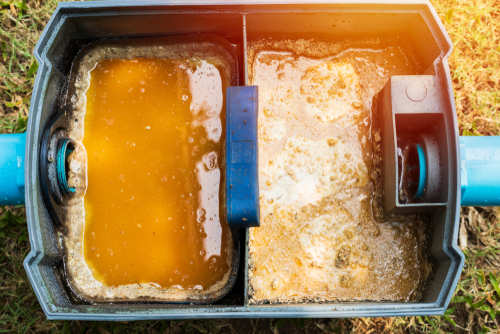
Grease traps are deceptively simple in design, but their function is vital. These devices separate FOG from wastewater, allowing only water to enter the sewer system. When working correctly, they protect plumbing, reduce environmental harm, and ensure health code compliance. However, when FOG builds up over time, the trap can no longer filter effectively. This leads to clogs and, eventually, backups or overflows.
One of the most common grease trap overflow causes is a lack of regular maintenance. Many restaurants underestimate how quickly FOG can accumulate, particularly during high-volume cooking hours. As the trap fills, its efficiency drops. Wastewater may begin to drain slowly, or worse, backup into kitchen sinks and floors. This isn’t just inconvenient, it creates hazardous working conditions and may even require emergency grease trap cleaning.
Another mechanical factor behind overflows is improper sizing. A grease trap that’s too small for the kitchen’s output will fill up far too quickly, even with regular service. It’s essential that restaurants evaluate their kitchen needs with professionals who understand grease trap service, particularly in states like Louisiana where food production volumes can be high due to year-round tourism and hospitality demands.
Operational Missteps That Lead to Grease Trap Backup
Human error and daily kitchen habits also play a significant role in grease trap backup. Staff may unknowingly allow large quantities of grease, food solids, or starches to go down the drain, overwhelming the trap’s filtering capability. Dishwashing practices are often the culprit, especially when dishes are pre-rinsed without scraping off residual oils or food debris.
Training is vital. Without consistent education, kitchen staff might ignore signs of slow drainage or foul odors that indicate a trap nearing capacity. They may not understand that grease, though liquid when hot, solidifies when cooled, compounding blockage issues. Over time, this buildup becomes dense and difficult to remove without professional intervention.
Additionally, improper cleaning techniques can make the problem worse. Some kitchens attempt to clean traps themselves with hot water or degreasers, which can push grease deeper into the plumbing system. This temporary fix does not actually remove FOG; it simply relocates it, leading to more serious issues further down the line. These missteps can create the ideal conditions for a full grease trap overflow, resulting in restaurant downtime and the need for emergency grease trap cleaning services.
Environmental and Regulatory Pressures
Commercial kitchen grease problems don’t exist in a vacuum. Local municipalities enforce regulations on FOG management to protect wastewater infrastructure and the environment. When overflows occur, they don’t just damage your facility; they can discharge untreated grease into the public sewer system. This can lead to fines and other legal repercussions.
In Louisiana, where culinary traditions are rich and diverse, restaurants must be particularly diligent. State and parish regulators monitor grease trap compliance to avoid contamination of bayous, lakes, and drainage systems. Overflow incidents often result in immediate inspections and mandatory cleanings. Failure to maintain compliance not only results in penalties but can also tarnish a restaurant’s reputation.
Environmental factors also contribute to grease trap challenges. Warmer climates can cause grease to remain more liquid for longer periods, which might delay the recognition of buildup issues. However, once cooler weather sets in or kitchen temperatures fluctuate, this liquid grease solidifies and rapidly clogs the trap. Additionally, natural disasters or heavy rain, which are not uncommon in Louisiana, can cause backflows or overwhelm local sewer systems, exacerbating existing grease trap vulnerabilities.
The Importance of Professional Grease Trap Service
To truly avoid the dangers of grease trap overflow, prevention must become a scheduled priority. Engaging with a reliable grease trap service in Louisiana ensures that cleanings occur before problems start. Professionals not only remove accumulated grease but also inspect the system for wear, structural integrity, and capacity issues.
A skilled technician can spot signs of trouble long before they escalate. They’ll evaluate if the trap is appropriately sized, if the plumbing is functioning as intended, and whether FOG is being effectively contained. They may also recommend adjustments to kitchen practices to reduce strain on the system.
Using a licensed service also means proper documentation, which is important for regulatory compliance. In the event of an inspection, being able to provide proof of routine service can protect your establishment from liability or shutdowns. Many emergency grease trap cleaning services also offer regular maintenance contracts, helping restaurant owners avoid last-minute panic.
This level of proactive management is especially critical for high-traffic establishments. In areas like Baton Rouge, New Orleans, or Lafayette, where restaurants operate at full capacity nearly every day, grease trap issues can accumulate rapidly. Scheduling service monthly or bi-monthly based on volume is a sound investment that saves thousands in the long term.
Sustainable Solutions and Staff Education
The best defense against grease trap overflows is a combination of technology, planning, and training. In addition to hiring a professional service, restaurants should implement internal systems to limit FOG discharge. Installing pre-rinse screens, using absorbent pads for spills, and ensuring all employees are trained in grease management can reduce the load on your trap.
Education plays a huge role. Staff should understand how grease behaves, what not to put down the drain, and how to recognize early warning signs of a backup. Regularly scheduled training sessions, along with posted reminders near sinks and dishwashing stations, can reinforce best practices.
Technology can also offer assistance. Grease trap monitoring sensors are becoming more common and can alert kitchen managers when the trap is nearing capacity. These smart systems prevent guesswork and support more efficient maintenance planning.
Restaurants that prioritize sustainability and responsible waste management often benefit from better customer perception and increased employee satisfaction. A clean, safe kitchen free from commercial kitchen grease problems boosts morale and reduces health risks.
Conclusion
Grease trap overflows in commercial kitchens are not just inconvenient; they pose serious health, financial, and regulatory risks. The causes range from mechanical limitations and poor maintenance schedules to human error and environmental stressors. Understanding these grease trap overflow causes helps restaurant owners and kitchen managers take preventive steps that keep operations running smoothly.
Relying on professional grease trap service in Louisiana ensures regular inspections, proper cleaning, and compliance with environmental regulations. In parallel, training staff and implementing internal controls minimize the daily strain on your system. And when unexpected issues arise, emergency grease trap cleaning is the safety net that prevents long-term damage.
By taking a proactive approach, commercial kitchens can avoid backups, prevent environmental harm, and maintain a reputation for cleanliness and reliability. In the end, prevention is always less expensive and far less disruptive than dealing with an overflow after it’s already too late.
Need Grease Trap Services Near You?
Categorised in: Grease Trap Service