Why “Budget” Grease Trap Cleaning Costs More in the Long Run
At first glance, choosing the cheapest grease trap cleaning service in New Orleans might seem like a smart business move. For restaurant owners watching every dollar, a lower grease trap cleaning cost feels like a win. However, as countless commercial kitchens have discovered the hard way, those “budget” services can cost far more in the long run. Grease traps are critical components in keeping your plumbing system flowing, preventing clogs, and staying compliant with city regulations. Cutting corners on this maintenance can result in fines, downtime, and expensive repairs that could have been avoided.
Understanding why the grease trap cleaning cost varies widely is essential for making informed decisions that protect your business and keep operations smooth. Below, we explore the factors that make budget services risky, break down what drives commercial grease trap cleaning price factors, and offer insight into how smart investment now saves thousands later.
Preventative Grease Trap Maintenance vs. Emergency Repair
Preventative maintenance is the foundation of responsible kitchen management. A consistent schedule for grease trap cleaning and inspection ensures the system is never overwhelmed by accumulated fats, oils, and grease (FOG). Regular service reduces the risk of pipe blockages, backups, and potential shutdowns.
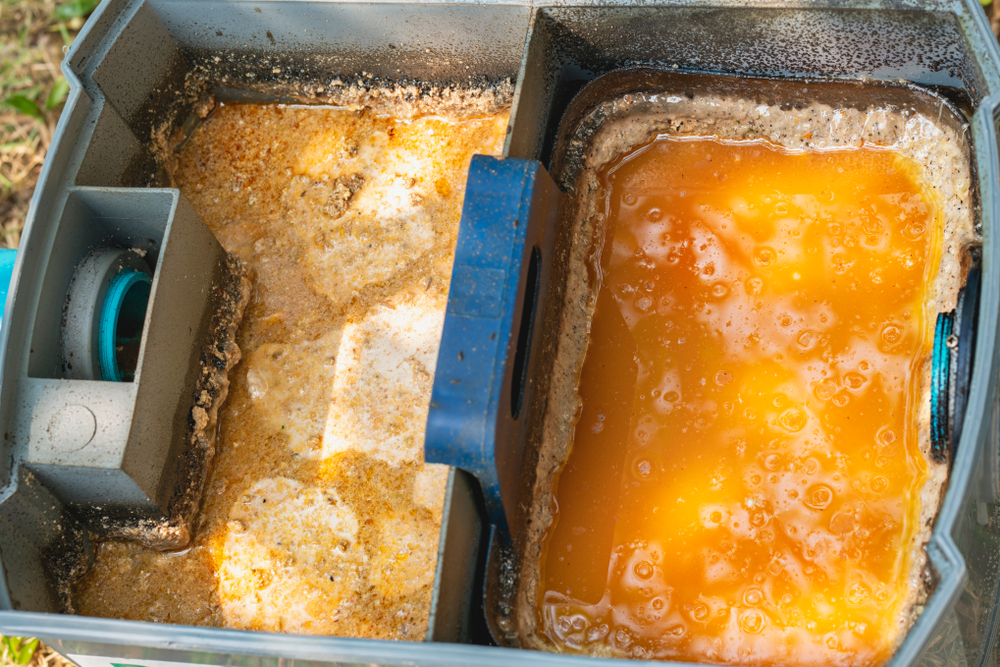
In contrast, emergency repairs often stem from neglect or substandard service. When traps are not pumped thoroughly or on schedule, FOG seeps into the sewer lines, hardens, and forms blockages. Suddenly, the cost of a grease trap cleaning service balloons into thousands spent on plumbing, sanitization, and lost revenue from closed kitchens. The difference in price between preventative grease trap maintenance vs. emergency repair is stark. Investing in routine service pays off in reliability, lower plumbing bills, and peace of mind.
Cheap providers frequently offer a one-size-fits-all approach that skips detailed inspection, proper documentation, or complete waste removal. These shortcuts might save money on paper, but they leave businesses exposed to sudden failure. In New Orleans, where food safety laws and environmental regulations are strict, such failure can also attract fines or health department action.
Commercial Grease Trap Cleaning Price Factors
Several variables determine what a commercial kitchen should expect to pay for high-quality grease trap service. One major factor is trap size and location. Larger units or traps buried underground require more time and equipment to clean thoroughly. The frequency of service also influences cost, as more frequent cleaning prevents buildup and makes the job quicker.
Another crucial component is the type of cleaning performed. Some companies simply skim the surface or remove partial waste, while others provide full pump-outs, scraping the trap walls and inspecting all parts for wear and damage. Grease trap waste disposal fees, especially in Louisiana, also vary depending on local regulations. Licensed disposal through environmentally safe methods comes at a premium, but it ensures your business complies with state environmental guidelines.
Additionally, customer support and reporting matter. Quality service providers document each visit, providing waste manifests and photos to prove compliance. These details are often absent in budget services, leaving you without a paper trail in case of inspection or legal scrutiny.
Hydro-Jetting Kitchen Lines Cost and Pipe Health
While grease trap cleaning is essential, the condition of the connected plumbing lines plays a major role in keeping the kitchen running smoothly. Over time, even well-maintained traps cannot stop all FOG from entering the drain lines. This is where hydro-jetting becomes a key service.
Hydro-jetting kitchen lines cost more than a standard drain snaking, but the results are far superior. The high-pressure water used in hydro-jetting clears stubborn buildup along pipe walls, restoring full flow and preventing blockages. For restaurants in New Orleans dealing with decades-old plumbing, this service is not just a luxury but a necessity. Regular hydro-jetting can extend the lifespan of pipes and reduce the need for major plumbing overhauls.
Budget cleaning services rarely include line inspection or hydro-jetting. Skipping this step leads to slow drains, foul odors, and eventually, full blockages. In the long term, the restaurant faces higher costs as clogged lines lead to flooding, repair work, and missed service hours. Investing in hydro-jetting as part of a grease trap maintenance plan ensures that issues are identified and addressed early, before they escalate.
The Value of a Family-Owned Grease Trap Service
The service quality and business ethics of your grease trap provider make a difference. Family-owned grease trap service companies often bring a level of personal investment, pride, and accountability that large chains or discount operators lack. These businesses rely on their reputation, customer satisfaction, and long-term relationships to grow.
Unlike budget providers focused on volume and speed, family-owned operations take the time to explain procedures, offer tailored schedules, and prioritize your kitchen’s unique needs. Their crews are often more experienced and better trained, with local knowledge of New Orleans infrastructure and regulations.
This personalized care ensures fewer surprises and higher quality service. When something goes wrong, it is easier to reach a decision-maker who can take action immediately. You are not just a job number on a route sheet, but a valued client whose success reflects their own.
Avoiding Plumbing Pipe Blockages in Restaurants
Avoiding plumbing pipe blockages in restaurants is not a one-time fix. It requires a holistic approach to kitchen waste management. From training staff to scrape plates properly to regularly servicing traps and jetting lines, every step builds toward a more efficient and compliant kitchen system.
When grease trap cleaning cost is cut down through substandard work, it only delays the inevitable. FOG hardens inside pipes and narrows flow until waste backs up into sinks and floors. Grease blockages also attract pests, emit foul odors, and pose safety risks for staff. Each of these issues brings not just health department scrutiny but potential lawsuits and negative reviews.
High-quality grease trap service helps detect early warning signs, such as unusual flow rates or recurring odors. Professionals with experience can advise when it’s time for a deeper clean, replacement parts, or adjustments in usage habits. Restaurants that take a proactive approach avoid the stress, damage, and emergency costs that follow neglect.
The Case for Long-Term Savings on Grease Trap Pumping
Choosing a grease trap service based solely on the lowest price is a gamble that often backfires. The true grease trap cleaning cost includes not just the invoice but the potential for hidden damage, emergency repairs, legal violations, and business disruption. In New Orleans, with its aging infrastructure and strict regulations, these risks are even higher.
Commercial grease trap cleaning price factors such as trap size, waste volume, location, and service quality all impact the final cost. However, those investments deliver long-term savings on grease trap pumping, fewer plumbing emergencies, and consistent health compliance. Adding services like hydro-jetting kitchen lines and choosing reliable, family-owned providers helps restaurants stay ahead of problems and maintain their reputations.
Grease trap waste disposal fees in LA are just one part of the equation. When viewed in context with the cost of fines, repairs, and lost customers, it’s clear that paying for quality today prevents much larger expenses tomorrow. Restaurants that value efficiency, cleanliness, and long-term sustainability should see grease trap maintenance not as a burden but as an essential investment in their continued success.
Need Grease Trap Services Near You?
Categorised in: Grease Trap Cleaning