Fried Chicken and Po-Boy Shops in Chalmette: Where to Dispose of Used Fryer Oil Safely
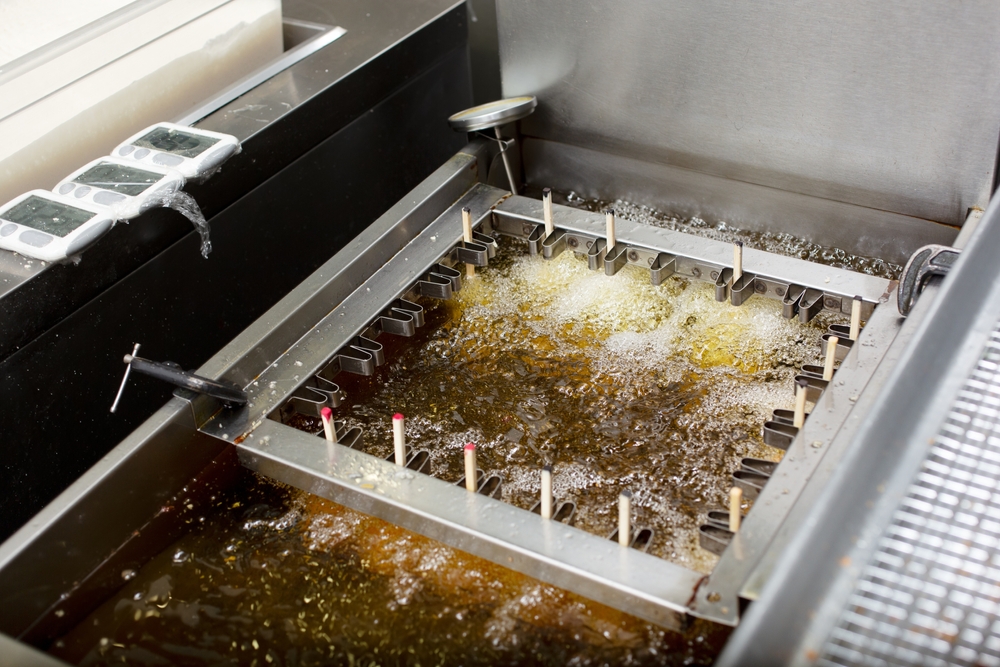
In Chalmette, fried chicken and po-boy shops depend on clean, properly maintained fryer oil to serve customers throughout the day. From busy lunch rushes along West Judge Perez Drive to weekend seafood orders, commercial fryers can produce significant amounts of used cooking oil. Without a safe disposal plan, that leftover grease can create slippery work areas, plumbing problems, unpleasant odors, and unnecessary interruptions.
For local restaurant owners, knowing where to dispose of used fryer oil is an essential part of keeping the kitchen safe and operating efficiently.
Quick Answer: Fried chicken restaurants, seafood kitchens, and po-boy shops in Chalmette should dispose of used fryer oil through a commercial used cooking oil collection service or another authorized recycling arrangement. Used fryer oil should be cooled, transferred into a designated grease collection container, and kept out of sinks, floor drains, storm drains, and regular trash. A professional collection provider can remove accumulated oil and direct it into an appropriate recycling or processing stream.
What Chalmette Restaurant Owners Should Know
-
Used fryer oil should never be poured into kitchen sinks, grease traps, floor drains, or outdoor storm drains.
-
Restaurants along West Judge Perez Drive and Paris Road should establish collection routines that match their frying volume and available storage space.
-
St. Bernard Parish’s warm, humid conditions make covered, properly maintained grease storage especially important for controlling odors and attracting fewer pests.
-
Commercial grease collection containers should be positioned where employees can access them safely without obstructing deliveries, walkways, or emergency exits.
-
Regular used cooking oil pickup can help restaurants avoid overflowing containers and unnecessary kitchen disruptions.
Why Safe Fryer Oil Disposal Matters in Chalmette
Safe fryer oil disposal matters in Chalmette because commercial kitchens generate grease that can damage plumbing, create workplace hazards, and contribute to drainage problems when handled incorrectly. Proper collection protects restaurant operations while reducing the likelihood of oil entering wastewater or stormwater systems.
St. Bernard Parish has a strong local food culture built around fried seafood, chicken, sandwiches, and traditional Louisiana cooking. Restaurants serving these foods may operate several fryers simultaneously, especially during lunch and dinner rushes.
As fryer oil breaks down through repeated cooking, it eventually needs replacement. The resulting waste must go somewhere, and pouring it down a drain is not an acceptable solution.
Used cooking oil can cool and accumulate inside pipes, particularly when mixed with other fats and food debris. Over time, buildup can restrict wastewater flow and contribute to backups.
Outdoor disposal creates another concern. Grease entering storm drains can reach local drainage infrastructure and waterways. In a low-lying community where rainfall and drainage management are ongoing concerns, keeping cooking oil out of stormwater systems is particularly important.
At Safeway Used Oil & Grease, we recognize that restaurants need practical ways to manage used cooking oil without interfering with daily food preparation. Our focus is helping businesses understand responsible grease handling and collection options.
Local Data and Commercial Kitchen Observations
Commercial fryer oil management in St. Bernard Parish should account for restaurant frying volume, storage conditions, drainage protection, and the frequency of oil replacement. These operational factors provide a more useful starting point than assuming every restaurant produces the same amount of waste grease.
A small neighborhood sandwich shop may generate considerably less used cooking oil than a busy fried chicken restaurant operating multiple fryers.
Several local conditions deserve attention:
Louisiana’s warm climate: Outdoor grease containers may develop stronger odors when residue accumulates during hot weather. Closed lids and clean collection areas help reduce this problem.
Heavy rainfall: Containers should be protected against rainwater intrusion whenever possible. Water mixing with used cooking oil complicates handling and can increase collection problems.
Compact commercial properties: Some restaurant locations have limited space behind buildings or near service entrances. Container placement should account for safe access and normal business operations.
Variable seafood demand: Restaurants offering fried shrimp, oysters, catfish, and seasonal seafood specials may experience changes in oil usage throughout the year.
These considerations help restaurant managers develop disposal routines suited to their actual operations.
How Improper Fryer Oil Disposal Affects Local Restaurants
Improper fryer oil disposal can affect local restaurants through plumbing blockages, employee injuries, sanitation concerns, and unexpected operating expenses. Even a relatively small amount of spilled grease can create a slippery surface, while repeated disposal into drains can contribute to expensive plumbing problems.
For fried chicken and po-boy shops, kitchen efficiency is especially important during peak service periods.
A clogged drain or grease overflow can interrupt food preparation, create cleanup work, and potentially require outside assistance.
Improperly stored oil can also attract pests, produce unpleasant odors, and leave greasy residue around dumpsters or service entrances.
In commercial areas near Paris Road and Judge Perez Drive, maintaining clean exterior service areas is part of responsible property management.
The goal is straightforward: keep used cooking oil contained, accessible for collection, and separated from the restaurant’s plumbing and drainage systems.
Warning Signs Your Restaurant Needs Better Fryer Oil Management
A Chalmette restaurant may need a better fryer oil disposal process when grease begins accumulating faster than employees can safely store or remove it. Warning signs often appear around collection containers, kitchen drains, and exterior waste areas before a more serious problem develops.
Watch for these seven indicators:
-
Overflowing grease containers: Used oil is approaching the container’s capacity before the next scheduled pickup.
-
Persistent grease odors: Strong smells remain around outdoor storage areas even after routine cleaning.
-
Slippery pavement: Oil residue collects near dumpsters, rear entrances, or employee walkways.
-
Slow kitchen drains: Wastewater drains more slowly than usual, potentially indicating grease or other material accumulating in plumbing.
-
Improper temporary storage: Employees are keeping used fryer oil in open buckets, unsuitable containers, or crowded work areas.
-
Frequent emergency disposal decisions: Staff regularly have to determine where to put oil because designated storage is full.
-
Visible spills around collection equipment: Grease accumulates on lids, container sides, or surrounding pavement.
If these conditions occur repeatedly, the restaurant may need improved storage procedures, additional container capacity, or more frequent collection.
When to Call a Professional Used Cooking Oil Collection Service
A professional used cooking oil collection service is appropriate when a restaurant generates more fryer oil than it can safely manage through an authorized disposal arrangement. Commercial collection becomes especially useful when oil replacement is frequent, storage space is limited, or employees are spending too much time handling waste grease.
Restaurant employees can monitor oil levels, keep storage areas clean, and report damaged containers.
However, handling substantial quantities of waste oil, arranging transportation, and selecting an appropriate recycling destination are better managed through a suitable commercial collection arrangement.
For restaurants in St. Bernard Parish, professional collection can help establish a predictable routine rather than relying on last-minute disposal decisions.
Before choosing a provider, confirm its collection area, accepted materials, container arrangements, pickup frequency, and handling requirements.
Common Causes of Used Fryer Oil Problems in Chalmette
The most common causes of used fryer oil problems in Chalmette are insufficient storage capacity, inconsistent collection schedules, improper employee handling, and poorly maintained grease containers. These issues become more noticeable in restaurants with high frying volumes or limited exterior storage.
1. High-Volume Frying Operations
Fried chicken shops and seafood restaurants often depend on large quantities of cooking oil.
During busy periods, employees may replace oil more frequently than expected.
If the collection container is too small, waste oil can accumulate before the next pickup.
2. Irregular Oil Collection
Restaurants without a consistent collection plan may find themselves storing used oil longer than intended.
This can increase the likelihood of overflow, spills, and unnecessary handling.
3. Poor Container Placement
Grease containers positioned near busy walkways, vehicle traffic, or storm drains can create avoidable hazards.
Locations should allow safe employee access and appropriate collection access without interfering with other operations.
4. Improper Employee Procedures
Pouring hot oil into unsuitable containers or transporting heavy, open buckets can lead to burns and spills.
Employees should follow established cooling, transfer, and storage procedures.
5. Weather Exposure
Heavy rain and summer heat can complicate outdoor grease storage.
Containers with damaged lids or openings may allow rainwater, debris, and pests to enter.
Prevention and Maintenance Tips for Local Fryer Oil Storage
Preventing used fryer oil problems begins with proper storage, employee training, and regular monitoring. For Chalmette restaurants, these routines should also account for hot weather, sudden rainstorms, and changes in cooking volume during busy seafood seasons.
A practical maintenance plan includes:
-
Check container levels regularly. Inspect used oil storage before busy weekends and high-volume service periods.
-
Allow oil to cool appropriately. Follow fryer manufacturer instructions and workplace safety procedures before transferring oil.
-
Use designated containers. Store waste oil in suitable, secure containers intended for commercial grease collection.
-
Keep lids closed. Reduce the chance of rainwater, debris, and pests entering the container.
-
Clean spills promptly. Use appropriate grease cleanup materials and dispose of contaminated absorbents according to applicable requirements.
-
Train employees. Make sure staff understand where used oil belongs and why drains and dumpsters are not appropriate disposal locations.
-
Review pickup frequency. Adjust collection arrangements when frying volume increases.
Before hurricane season or periods of severe weather, restaurant managers should also review outdoor container security and spill prevention procedures.
Employees should not attempt to move large, heavy grease containers or handle dangerously hot oil without appropriate equipment and training.
What Restaurants Can Expect From Proper Used Oil Collection
Proper used oil collection helps restaurants maintain cleaner storage areas, reduce unnecessary handling, and establish a more predictable disposal process. Results depend on the restaurant’s frying volume, container capacity, employee practices, and collection frequency.
With an appropriate arrangement, restaurant operators can expect a clearer process for managing oil after it is removed from commercial fryers.
Rather than improvising when storage becomes full, employees can follow established procedures.
Collection planning can also make it easier to identify when oil production changes because of menu adjustments, additional fryers, or increased customer demand.
Used cooking oil may be processed into products such as biodiesel or other industrial materials, depending on the recycling facility and the quality of the collected oil.
Restaurant owners should confirm how their chosen collection provider handles and processes accepted materials.
Common Fryer Oil Disposal Mistakes to Avoid
Common fryer oil disposal mistakes include pouring oil into drains, mixing it with other waste, and allowing collection containers to overflow. These practices can create preventable maintenance problems for commercial kitchens throughout the Chalmette area.
Mistake: Pouring used fryer oil down a sink.
Consequence: Grease can accumulate in plumbing and contribute to drain blockages.
Better approach: Collect cooled oil in a designated container for appropriate disposal or recycling.
Mistake: Putting fryer oil into a dumpster.
Consequence: Leaking containers can contaminate surrounding waste and create slippery surfaces.
Better approach: Keep used cooking oil separate from ordinary solid waste.
Mistake: Leaving collection lids open.
Consequence: Rainwater, pests, and debris can enter the stored oil.
Better approach: Keep collection containers properly closed and inspect them after severe weather.
Mistake: Waiting until storage is overflowing.
Consequence: Employees may resort to unsafe temporary storage or repeated oil transfers.
Better approach: Establish a pickup arrangement that accommodates normal operations and anticipated busy periods.
Common Local Scenario: A Busy Po-Boy Shop Near Judge Perez Drive
A common local scenario involves a po-boy shop near West Judge Perez Drive preparing fried shrimp, oysters, fish, and chicken throughout the week. During a busy weekend, the kitchen uses more fryer oil than usual, and the outdoor grease container begins approaching capacity.
By Monday morning, employees need to replace additional oil, but the collection container has limited remaining space.
Without a disposal plan, the restaurant may face inconvenient storage decisions and increased spill risks.
A better approach is to track how quickly the container fills during normal and peak business periods.
The owner can then arrange appropriate collection capacity and pickup timing before storage becomes a problem.
This is a hypothetical operating scenario, not a documented customer project.
Related Used Cooking Oil and Grease Management Solutions
Used cooking oil collection, grease storage planning, and proper waste handling are related solutions that help local restaurants maintain safer kitchen operations. Each addresses a different part of the disposal process, from removing oil from fryers to preventing grease from entering plumbing systems.
Restaurant operators should understand the distinction between these services.
Used cooking oil collection involves gathering waste oil from commercial fryers and arranging appropriate transportation and processing.
Grease container management involves choosing suitable storage capacity, placement, and cleaning procedures.
Grease trap or interceptor maintenance addresses fats, oils, and grease captured from kitchen wastewater. This is a separate waste stream from used fryer oil and may require different service equipment and disposal procedures.
At Safeway Used Oil & Grease, we encourage restaurant owners to evaluate their complete grease management needs and confirm the appropriate service arrangements for each waste stream.
Comparing Your Used Fryer Oil Disposal Options
The main used fryer oil disposal options for Chalmette restaurants are an authorized commercial collection service or another approved arrangement for transporting and processing waste oil. The better choice depends on the quantity of oil produced, available equipment, storage space, and applicable handling requirements.
| Disposal Method | Main Consideration | Best Fit |
|---|---|---|
| Commercial used oil collection | Requires suitable storage and a collection arrangement | Restaurants producing regular volumes of fryer oil |
| Authorized self-transport | Requires confirmation of acceptance, transport safety, and applicable requirements | Businesses with small quantities and an approved destination |
| Improper drain or trash disposal | Can create plumbing, sanitation, and environmental problems | Not recommended |
For most busy fried chicken and seafood restaurants, commercial collection offers a practical way to manage recurring oil disposal needs.
Restaurants should verify local acceptance rules before transporting waste oil themselves.
Service Areas Around Chalmette
Used cooking oil disposal is relevant to food businesses throughout Chalmette and nearby St. Bernard Parish communities, including Arabi, Meraux, and Violet. Restaurants operating near Paris Road, West Judge Perez Drive, and surrounding commercial corridors face similar storage and grease handling considerations.
For collection availability in a specific community, contact Safeway Used Oil & Grease to confirm current service coverage.
The Cost of Ignoring Used Fryer Oil Disposal Problems
Ignoring used fryer oil disposal problems can lead to plumbing repairs, sanitation concerns, slip hazards, and avoidable restaurant downtime. The potential cost increases when improper storage or disposal continues over time rather than being corrected early.
For a neighborhood po-boy shop, even a short interruption during lunch service can affect food preparation and customer orders.
A grease-related plumbing backup may require cleanup and professional repairs. Overflowing outdoor containers can also create additional maintenance work.
Preventive collection planning is generally easier to manage than responding to a full container during a busy shift.
Frequently Asked Questions About Used Fryer Oil Disposal in Chalmette
Where can restaurants dispose of used fryer oil in Chalmette?
Restaurants in Chalmette can arrange disposal through a commercial used cooking oil collection provider or another authorized recycling or processing destination. Oil should be cooled and stored in designated containers until collection. Restaurant owners should confirm the provider’s service coverage, accepted materials, and handling requirements before making arrangements.
Can fried chicken shops pour used cooking oil into a grease trap?
No. Fried chicken shops should not intentionally pour used fryer oil into grease traps. Grease traps and interceptors are designed to capture fats, oils, and grease from wastewater, not serve as disposal containers for bulk fryer oil. Used cooking oil should be collected separately for appropriate handling.
How often should Chalmette restaurants schedule used cooking oil pickup?
Pickup frequency should reflect the restaurant’s fryer oil production, container capacity, and available storage space. A high-volume fried chicken restaurant may require more frequent collection than a small sandwich shop. Owners should monitor how quickly containers fill and adjust their collection arrangements before overflow becomes a concern.
Is used fryer oil recyclable in St. Bernard Parish?
Yes, used fryer oil can be recyclable when accepted by an appropriate commercial collection or processing facility. Depending on the facility, collected cooking oil may be processed for biodiesel production or other uses. Restaurants should confirm that their chosen provider accepts their type of oil and follows appropriate handling procedures.
What should po-boy shops do with used frying oil after cooking seafood?
Po-boy shops should allow used frying oil to cool according to equipment and workplace safety instructions before transferring it into an appropriate collection container. Oil used for frying shrimp, oysters, or fish should be kept separate from trash and wastewater. Any food debris or contamination should be managed according to the collection provider’s requirements.
Can Chalmette restaurants put used cooking oil in regular dumpsters?
No. Used fryer oil should not be poured into dumpsters or placed in ordinary trash containers where it can leak. Spilled grease can create odors, attract pests, and leave slippery surfaces around waste areas. Restaurants should use designated oil collection containers and an appropriate disposal or recycling arrangement.
How does Louisiana weather affect outdoor grease containers?
Louisiana’s heat, humidity, and heavy rainfall can make outdoor grease storage more challenging. Warm conditions can intensify odors around dirty containers, while rainwater can enter containers with damaged or unsecured lids. Chalmette restaurant owners should inspect outdoor storage regularly, keep containers closed, and address spills promptly.
Are grease trap cleaning and used cooking oil collection the same service?
No. Grease trap cleaning removes fats, oils, grease, and other accumulated materials from wastewater treatment equipment. Used cooking oil collection removes waste oil stored separately after fryer use. These services involve different materials and handling methods, so St. Bernard Parish restaurants should confirm which services their provider offers.
What should a restaurant do if its used oil container is already full?
A restaurant with a full used oil container should stop adding oil and contact its collection provider for instructions or an additional pickup. Employees should not pour excess oil into drains or move it into unsuitable containers. Any temporary storage must be safe, secure, and appropriate for the material.
Keep Your Chalmette Kitchen Running With Safer Fryer Oil Disposal
Fried chicken restaurants and po-boy shops are an important part of the food culture in Chalmette and the surrounding St. Bernard Parish community. Responsible fryer oil disposal helps these businesses protect their kitchens, maintain cleaner work areas, and reduce preventable plumbing and storage problems.
A consistent collection plan makes grease management easier to handle, even when customer demand increases.
Protect Your Restaurant With a Better Used Fryer Oil Disposal Plan
At Safeway Used Oil & Grease, we understand that restaurant owners need practical information and dependable arrangements for managing waste cooking oil.
Whether you operate a fried chicken shop, seafood restaurant, or neighborhood po-boy counter, we can help you explore the next steps toward responsible fryer oil management.
Categorised in: Cooking Oil Recycling