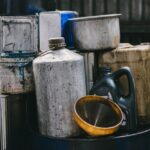
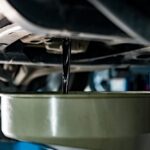
Marine engines work hard along the Mississippi River, where towboats, workboats, commercial vessels, and other marine equipment operate in demanding conditions. Once engine oil and heavy lubricants reach the end of their useful life, getting those materials off the vessel becomes a dockside logistics issue that can affect storage capacity, maintenance schedules, and daily operations. Quick answer: Managing spent motor oil and heavy engine lubricants for New Orleans marine vessels requires planning for safe onboard storage, dock access, transfer logistics, contamination control, and timely removal. Vessel operators should keep used oil properly contained and separated from incompatible wastes while coordinating collection... View Article
Food trucks and mobile food vendors around the Greater New Orleans area often rely on commissary kitchens to meet health department requirements. While shared kitchens offer convenience and lower operating costs, they also create unique challenges for fats, oils, and grease (FOG) management. Understanding how shared grease interceptors work can help operators avoid costly disruptions, plumbing issues, and compliance problems. Quick Answer Shared commissary kitchens serving food trucks typically require every tenant to follow strict grease disposal practices because multiple businesses use the same grease interceptor. In the New Orleans region, improper grease handling by just one operator can affect... View Article
Every spring, seafood restaurants across the Greater New Orleans region gear up for one of the busiest times of the year. Crawfish boils, seafood platters, fried favorites, and packed dining rooms create a sharp increase in fats, oils, and grease, often called FOG. Without proper grease management, that seasonal rush can quickly lead to clogged plumbing, overflowing grease traps, unpleasant odors, and unexpected service interruptions. Quick Answer Handling the crawfish boil surge requires seafood restaurants to increase grease trap maintenance, monitor used cooking oil storage, train staff on proper FOG disposal, and schedule service before peak demand arrives. Restaurants throughout... View Article
Auto salvage operations in Cass County handle a steady flow of vehicles that contain used oil, transmission fluid, antifreeze, brake fluid, and other automotive liquids. Managing these materials properly helps reduce environmental risks, supports regulatory compliance, and keeps daily operations running smoothly without unnecessary disruptions. Quick Answer Environmental compliance for Cass County auto salvage facilities depends on properly capturing spent automotive fluids, storing them in suitable containers, maintaining accurate transporter manifests when required, and working with qualified recycling or disposal providers. Consistent documentation and organized fluid management help reduce spills, improve inspections, and protect both the business and the surrounding environment.... View Article
Large institutional kitchens depend on reliable grease management every day. Schools and hospitals in St. Bernard Parish prepare hundreds or even thousands of meals, making fats, oils, and grease (FOG) management a critical part of daily operations. Without a coordinated plan for multiple grease traps, facilities can face backups, odors, kitchen disruptions, and unnecessary maintenance costs. Quick Answer Managing multiple grease traps requires scheduled pumping, consistent inspections, accurate service records, and coordination between kitchen operations and waste management professionals. Schools and healthcare facilities throughout St. Bernard Parish benefit from preventative grease management because high meal volumes can quickly overwhelm grease... View Article