
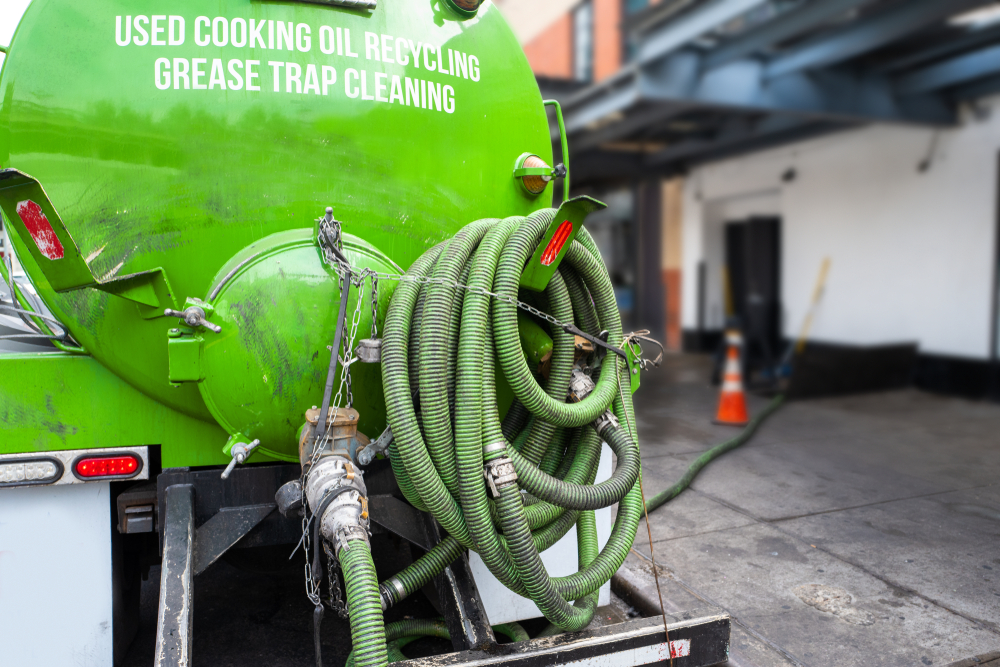
From Fryer to Fuel: The Journey of Your Used Cooking Oil to Local Refineries
Every time a restaurant finishes a batch of fried chicken or a seafood boil house drains its fryers, something valuable gets left behind. Used cooking oil, often dismissed as kitchen waste, is actually one of the most recyclable byproducts in the food service industry. Across southern Louisiana, from the bustling kitchens of New Orleans to the quiet waterfront communities of Saint Bernard, LA, and Shell Beach, this golden liquid is quietly making a remarkable journey from grease trap to green fuel. Understanding that journey helps restaurants, food trucks, and home cooks alike make smarter, more sustainable choices about what happens after the last fry is done.
What Happens to Used Cooking Oil After the Fryer?
Most people assume used cooking oil ends up in a dumpster or gets washed down a drain, but both options carry serious consequences. Pouring grease down drains causes blockages in municipal sewer systems, a problem that costs Louisiana parishes millions of dollars in repairs each year. Tossing oil in the trash means it ends up in a landfill, where it contaminates soil and groundwater over time.
The better path starts with proper cooking oil recycling. Once collected, used oil is transported to processing facilities where it is filtered, dewatered, and refined. Depending on its quality and composition, it can be converted into biodiesel, animal feed additives, or industrial lubricants. Some batches even find their way into renewable diesel production, a cleaner-burning fuel that local refineries in the greater New Orleans region are increasingly incorporating into their output.
This process does not happen by accident. It requires a coordinated network of used oil collection services, storage containers, licensed haulers, and refinery partnerships working together to keep the supply chain moving. In Louisiana, where the petrochemical and food service industries both thrive, that network is more developed than most people realize.
The Role of Saint Bernard and Shell Beach in Regional Oil Recovery
Saint Bernard, LA occupies a unique position in the regional waste-to-fuel ecosystem. Situated just southeast of New Orleans along the Mississippi River Gulf Outlet corridor, the parish is home to industrial operations, fishing communities, and a growing number of food service businesses that generate significant volumes of used cooking oil every week.
Shell Beach, a small waterfront community within Saint Bernard Parish, adds another layer of context. Known primarily for its fishing camps and boat launches, Shell Beach is also part of a broader coastal economy where petroleum byproduct disposal matters enormously. The proximity to the Gulf of Mexico means that improper disposal of used oil, grease, or petroleum byproducts carries a heightened environmental risk. Runoff from improperly stored waste can reach marshlands and estuaries within hours, threatening the same ecosystems that support the local seafood industry.
Responsible petroleum byproduct disposal in Shell Beach and throughout Saint Bernard Parish is not just a regulatory requirement; it is a community value. Local oil refinery recycling operations that serve this area understand the stakes, which is why reputable used oil collection services in the region take compliance and environmental stewardship seriously. When a restaurant in Chalmette or a fishing camp kitchen near Shell Beach schedules a pickup, they are participating in a system designed to protect both the economy and the environment of coastal Louisiana.
How Local Refineries Turn Waste Oil into Usable Products
The transformation of used cooking oil into refined fuel or industrial product is a sophisticated process that begins long before the oil reaches the refinery gate. It starts the moment a collection service drops off a secure storage container at a restaurant or food service facility.
Once that container is full, a licensed hauler transports the oil to a transfer station or directly to a processing facility. At the facility, the oil is tested for contamination, water content, and free fatty acid levels. High-quality used vegetable oils, such as those from commercial fryers, are ideal feedstocks for biodiesel production. Lower-quality oils or those with higher contamination may be redirected toward industrial applications or used as feedstock for oleochemical manufacturing.
Local oil refinery recycling operations near NOLA benefit from the region’s deep infrastructure. Louisiana is one of the most refinery-dense states in the country, and that industrial capacity extends to renewable fuel processing. Several facilities in the greater New Orleans area and along the River Road refinery corridor have invested in feedstock pretreatment units specifically designed to handle used cooking oil and other bio-based waste streams. This means that oil collected from a po-boy shop in the Lower Ninth Ward or a seafood restaurant on the lakefront could, within days, be refined into biodiesel that fuels delivery trucks or transit buses across the metro area.
Why Sustainable Restaurant Waste Solutions Matter for Louisiana Businesses
For restaurant owners and food service operators, cooking oil recycling is not just an environmental decision; it is a practical business consideration. Sustainable restaurant waste solutions have become increasingly attractive as disposal regulations tighten, fuel costs rise, and consumers grow more interested in the environmental practices of the businesses they support.
In Louisiana, the Louisiana Department of Environmental Quality enforces regulations on grease and petroleum byproduct disposal that carry real financial penalties for violations. Restaurants that partner with licensed used oil collection services avoid those risks while often receiving payment or fee offsets for their used oil, especially when volumes are high and quality is consistent.
Beyond compliance, sustainable waste practices build goodwill. A New Orleans restaurant that publicly commits to cooking oil recycling signals to its customers that it takes environmental responsibility seriously. In a city with such a deep connection to its waterways, wetlands, and food culture, that kind of commitment resonates. The same logic applies in smaller communities like Saint Bernard, LA, where local identity is tied closely to the health of the land and water.
Operators in the region are also discovering that consolidating their waste management under a single provider that handles used oil collection, grease trap service, and petroleum byproduct disposal simplifies operations. Instead of juggling multiple vendors and compliance calendars, a business can work with one partner who understands local regulations, regional refinery relationships, and the logistics of coastal Louisiana.
Choosing the Right Used Oil Collection Partner in the Greater New Orleans Area
Not all used oil collection services are created equal. For businesses in Saint Bernard, LA, Shell Beach, and across the NOLA metro, choosing the right partner involves looking beyond price and considering reliability, regulatory compliance, and environmental credibility.
A reputable provider will be licensed by the Louisiana Department of Environmental Quality and maintain proper manifesting and chain-of-custody documentation for every pickup. They will offer appropriately sized storage containers for the volume of oil a business generates, whether that is a small 55-gallon drum for a neighborhood cafe or a large outdoor tank for a high-volume seafood house. They will also provide clear records showing where collected oil ends up, which matters for businesses that want to demonstrate their commitment to sustainable restaurant waste solutions to customers or auditors.
Regional expertise is another critical factor. A provider with deep roots in the Saint Bernard Parish and greater NOLA area will understand the unique logistical challenges of the region, including road access after storm events, tidal variations that affect coastal properties, and the dense concentration of food service businesses in neighborhoods like the French Quarter, Metairie, and Chalmette.
Conclusion
Used cooking oil is too valuable to waste and too hazardous to ignore. From the fryers of New Orleans to the fishing camp kitchens of Shell Beach, the journey of this byproduct to local refineries represents one of the most practical examples of circular economy thinking in the Gulf South. By investing in proper cooking oil recycling and partnering with trusted used oil collection services, Louisiana businesses protect their communities, stay compliant with state regulations, and contribute to a regional fuel supply that is cleaner and more locally sourced. The journey from fryer to fuel is shorter than most people think, and it starts with a single responsible choice.
Need Grease Trap Services Near You?
Categorised in: Cooking Oil Recycling