
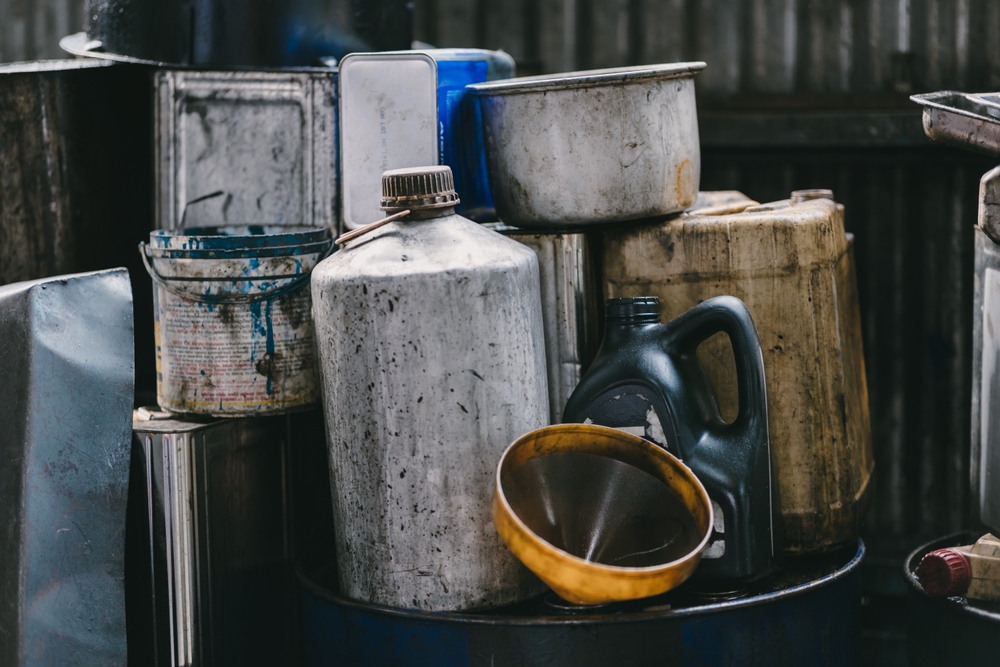
Dockside Waste Oil Logistics: Managing Spent Motor Oil & Heavy Engine Lubricants for New Orleans Marine Vessels
Marine engines work hard along the Mississippi River, where towboats, workboats, commercial vessels, and other marine equipment operate in demanding conditions. Once engine oil and heavy lubricants reach the end of their useful life, getting those materials off the vessel becomes a dockside logistics issue that can affect storage capacity, maintenance schedules, and daily operations.
Quick answer: Managing spent motor oil and heavy engine lubricants for New Orleans marine vessels requires planning for safe onboard storage, dock access, transfer logistics, contamination control, and timely removal. Vessel operators should keep used oil properly contained and separated from incompatible wastes while coordinating collection around maintenance periods, berth availability, and operating schedules.
What local vessel operators should know
-
Used motor oil and heavy lubricants should be kept in appropriate containment and protected from contamination before collection.
-
Dock configuration and vessel access along the Mississippi River can affect how waste oil removal is coordinated.
-
Operators working around the Port of New Orleans and nearby industrial waterfront areas may need collection timing that fits narrow maintenance and berth windows.
-
Mixing water, solvents, coolant, fuel, or unrelated wastes into spent oil can complicate handling and downstream management.
-
Planning waste oil removal before onboard storage approaches capacity can reduce the risk of maintenance delays.
Why Does Waste Oil Management Matter for New Orleans Marine Operations?
Waste oil management matters for New Orleans marine operations because limited vessel storage, busy dock schedules, and frequent engine maintenance can turn a routine fluid change into an operational bottleneck. A reliable process for containing and removing spent lubricants helps crews keep maintenance areas organized while reducing unnecessary handling.
The local marine environment makes logistics especially important. Commercial activity extends along the Mississippi River through Orleans Parish and into neighboring Jefferson and Plaquemines parishes. Vessels may also operate around Algiers, the Inner Harbor Navigation Canal, and industrial waterfront facilities throughout the region.
Safeway Used Oil & Grease understands that used oil collection in a marine setting is not simply about having material ready for removal. We recognize that access, timing, containment, and the characteristics of the material all affect how a dockside collection should be planned.
What Do Local Conditions Mean for Dockside Waste Oil Logistics?
Local conditions mean dockside waste oil logistics must account for vessel schedules, waterfront access, weather exposure, and the practical challenges of transferring heavy lubricants from marine equipment. These factors can make advance coordination particularly valuable for vessels operating in the greater New Orleans port environment.
Hot, humid weather can make engine rooms and maintenance work demanding for crews. Heavy rain and tropical weather can also create additional reasons to keep waste storage areas secure and protected from water intrusion.
Access varies significantly from one marine facility to another. A vessel berthed along the Mississippi River may present different collection conditions than equipment located near the Industrial Canal or at a private industrial dock. Transfer distance, available staging space, hose routing, vehicle access, and the amount and type of material all deserve consideration before collection begins.
What Are the Main Impacts of Poor Used Oil Planning?
Poor used oil planning can lead to crowded storage areas, disrupted maintenance, contaminated waste streams, and avoidable downtime for local marine operators. The consequences are often operational before they become dramatic, which is why a consistent collection process can be valuable.
A vessel undergoing an oil change may generate a substantial volume of spent lubricant at once. If existing storage is already close to capacity, the crew may have fewer options for handling the new material.
Contamination creates another concern. Used engine oil that remains separated and properly contained is easier to evaluate and manage than a mixture containing water, coolant, cleaning chemicals, or other substances.
For vessels moving between New Orleans terminals, Algiers facilities, and other lower Mississippi River locations, coordinating removal with scheduled dock time can also help avoid an extra logistics step later.
What Warning Signs Suggest a Vessel Needs Waste Oil Collection Soon?
Warning signs that a vessel may need waste oil collection soon include storage nearing capacity, an upcoming engine service, questionable container condition, and accumulated lubricant from multiple maintenance cycles. Addressing these signs early gives marine operators more time to coordinate dock access and collection.
Watch for:
-
Used oil tanks, drums, or other designated containers approaching their practical capacity.
-
A scheduled engine oil change that will generate additional spent lubricant.
-
Containers showing corrosion, damage, leakage, or compromised closures.
-
Water or other material entering a used oil storage area.
-
Multiple waste fluids being stored without clear identification or separation.
-
Used lubricant accumulating faster than normal because of increased maintenance activity.
-
Limited remaining space in the vessel’s designated waste storage area.
When Should a Marine Operator Call a Waste Oil Professional?
A marine operator should contact a waste oil professional before storage capacity, access restrictions, or an upcoming maintenance event makes removal urgent. Early coordination is especially useful when a New Orleans vessel has a short dock window or a larger quantity of heavy engine lubricant awaiting removal.
Crews can routinely monitor container condition, storage levels, labeling, and housekeeping around waste oil areas. Professional assistance becomes appropriate when the material needs to be removed, when transfer logistics require specialized planning, or when there is uncertainty about what has been placed in a waste oil container.
If the material may contain something other than ordinary spent lubricating oil, communicate that before collection rather than assuming it can be handled in the same waste stream.
What Commonly Complicates Marine Waste Oil Collection?
The most common complications in marine waste oil collection are contamination, difficult dock access, poor timing, uncertain material identification, and inadequate storage planning. Along the New Orleans waterfront, these issues can be amplified by active terminals, changing vessel schedules, and limited staging areas.
1. Contaminated oil: Water, coolant, solvents, or other substances can change how a waste stream needs to be evaluated.
2. Access limitations: The distance between a vessel’s waste oil connection or storage point and an accessible collection location matters.
3. Last-minute scheduling: Waiting until storage is nearly full leaves less flexibility if a vessel’s itinerary or berth time changes.
4. Heavy or difficult-to-transfer material: Viscous lubricants and accumulated residues can require different planning than relatively fluid used motor oil.
5. Unclear waste identification: Crews should know what has gone into a container rather than combining miscellaneous maintenance fluids.
How Can New Orleans Vessel Operators Improve Waste Oil Maintenance Planning?
New Orleans vessel operators can improve waste oil planning by checking storage levels routinely, keeping waste streams separated, protecting containers from weather, and coordinating removal around scheduled maintenance. A simple routine can prevent waste handling from becoming the final obstacle to completing an engine service.
Before a major oil change, estimate whether existing waste storage can accommodate the expected volume. Inspect containers and designated tanks for obvious damage or leakage. Keep funnels, transfer points, and surrounding areas orderly, and avoid introducing unrelated fluids.
For vessels that return regularly to the same Mississippi River dock or marine facility, it may also make sense to incorporate waste oil checks into recurring maintenance planning rather than treating every removal as an unexpected event.
What Results Should Operators Expect From Better Waste Oil Logistics?
Better waste oil logistics should make spent lubricant removal more predictable, organized, and compatible with a vessel’s maintenance schedule. It cannot eliminate every waterfront scheduling challenge, but it can reduce preventable problems caused by full storage, unidentified materials, poor access planning, or last-minute coordination.
The practical goal is straightforward: crews know where used oil is stored, what is in it, approximately how much has accumulated, and when removal should occur. That information makes it easier to plan the next step.
What Waste Oil Management Mistakes Should Marine Operators Avoid?
Marine operators should avoid mixing waste streams, waiting until storage is full, overlooking dock access, and assuming every oily liquid can be handled identically. Each mistake can make a routine New Orleans dockside collection more complicated than necessary.
Mistake: Mixing coolant, solvents, water, or unknown fluids with used engine oil.
Consequence: The material may require additional evaluation or different handling.
Better approach: Maintain clearly identified, separate waste streams.
Mistake: Scheduling removal only after storage reaches capacity.
Consequence: A vessel may have little flexibility if collection timing changes.
Better approach: Monitor levels and coordinate ahead of maintenance events.
Mistake: Focusing on volume without considering access.
Consequence: Transfer arrangements may not match the actual berth or vessel configuration.
Better approach: Discuss the collection location and access conditions in advance.
What Is a Common New Orleans Dockside Waste Oil Scenario?
A common New Orleans dockside waste oil scenario involves a commercial vessel preparing for scheduled engine maintenance while already carrying spent lubricant from earlier service. This is a representative scenario, not a Safeway Used Oil & Grease case study.
Before the maintenance window, the crew checks its waste oil capacity and determines that the next oil change could leave storage uncomfortably close to full. Rather than waiting until maintenance is underway, the operator coordinates waste oil removal while the vessel is accessible at the dock.
That approach creates additional room for the upcoming service and reduces the need to solve a waste storage problem during an already busy maintenance period.
What Service Solutions Support Marine Waste Oil Management?
Marine waste oil management is supported by services that help operators remove appropriate used oil and grease materials from their facilities or vessels according to the collection arrangements available. The exact solution should be based on material type, quantity, location, access, and scheduling requirements.
We encourage marine operators to provide accurate information about the material and collection conditions when discussing service. Knowing whether the waste consists of spent motor oil, heavier engine lubricants, or potentially mixed material helps establish the right next steps.
How Should Vessel Operators Compare Their Waste Oil Options?
Vessel operators should compare waste oil options based on safety, material identification, available storage, dock access, scheduling, and the complexity of the transfer. Routine crew monitoring is useful, but actual removal and uncertain waste streams are situations where professional coordination may be appropriate.
DIY monitoring can include checking levels, inspecting storage areas, and keeping known waste streams separate. Professional service becomes more relevant when accumulated oil needs to leave the vessel or facility.
The best approach is usually to plan collection as part of maintenance logistics rather than viewing waste removal as an isolated task.
What Areas Around New Orleans May Have Marine Waste Oil Needs?
Marine waste oil needs extend throughout the New Orleans waterfront and surrounding lower Mississippi River industrial corridor. Marine operators may work in Orleans Parish, Algiers, nearby Jefferson Parish, Plaquemines Parish, and facilities connected to the Mississippi River and Inner Harbor Navigation Canal.
Collection availability and service arrangements should always be confirmed for the specific dock or facility.
What Can Happen When Spent Engine Oil Removal Is Delayed?
Delaying spent engine oil removal can reduce available storage capacity, complicate upcoming maintenance, and leave crews with fewer scheduling options. For vessels working around busy New Orleans docks, the biggest cost may be the operational inconvenience created when waste management becomes urgent at the wrong time.
Routine monitoring and advance scheduling help keep the issue manageable without creating unnecessary alarm.
FAQ
How should spent motor oil be stored aboard a vessel in New Orleans?
Spent motor oil should be kept in appropriate, secure containment and protected from contamination until it can be properly removed. Crews should monitor storage levels and container condition and avoid adding unrelated liquids. Vessel-specific procedures and applicable requirements should guide the exact storage arrangement.
Why should marine vessels keep water out of used oil?
Keeping water out of used oil helps preserve a clearly identifiable waste stream and can simplify subsequent handling. In the humid, rainy New Orleans region, protecting storage and transfer points from weather exposure is a practical part of routine waste oil management.
When should a vessel schedule used oil removal?
A vessel should schedule used oil removal before its storage approaches capacity and preferably before a major maintenance event. For vessels with limited berth time along the Mississippi River, advance planning can provide more flexibility than waiting until an engine oil change is already underway.
Can coolant or solvents be mixed with spent engine oil?
Coolant, solvents, and other maintenance chemicals should not automatically be mixed with spent engine oil. Different materials can require different handling, so crews should maintain separate, clearly identified waste streams and disclose suspected contamination when arranging collection.
Does dock location affect used oil collection in New Orleans?
Yes, dock location can affect collection because access, transfer distance, staging space, vessel configuration, and operating schedules vary among waterfront facilities. Conditions along the Mississippi River, Industrial Canal, and private marine facilities are not identical, so collection logistics should be discussed for the specific location.
What information should I have before requesting dockside collection?
You should be ready to describe the material, approximate quantity, storage method, vessel or facility location, and relevant access conditions. Mention any reason to believe the oil contains water, coolant, solvents, fuel, or another substance so the waste stream can be evaluated appropriately.
Is waste oil planning useful for vessels operating outside Orleans Parish?
Yes, waste oil planning remains useful for vessels and marine operations throughout the surrounding lower Mississippi River corridor. Operators in nearby Jefferson and Plaquemines parishes face many of the same practical concerns involving maintenance timing, storage capacity, material separation, and waterfront access.
Can regular collection planning reduce vessel downtime?
Regular collection planning can reduce avoidable waste-related disruptions by ensuring storage capacity is considered before maintenance begins. It does not guarantee that a vessel will avoid downtime, but coordinating used oil removal with planned dock and maintenance windows can eliminate one preventable source of scheduling pressure.
Keep Your Next Marine Maintenance Window Moving
Managing spent motor oil and heavy engine lubricants is easier when removal is planned alongside vessel maintenance rather than after storage becomes a problem. We help local operators evaluate their used oil and grease collection needs based on the material, location, access, and scheduling requirements.
Categorised in: Motor Oil Recycling